Rishaun Hall Is Building Pathways for the Next Generation of Philadelphia Leaders

Updated: Apr 24
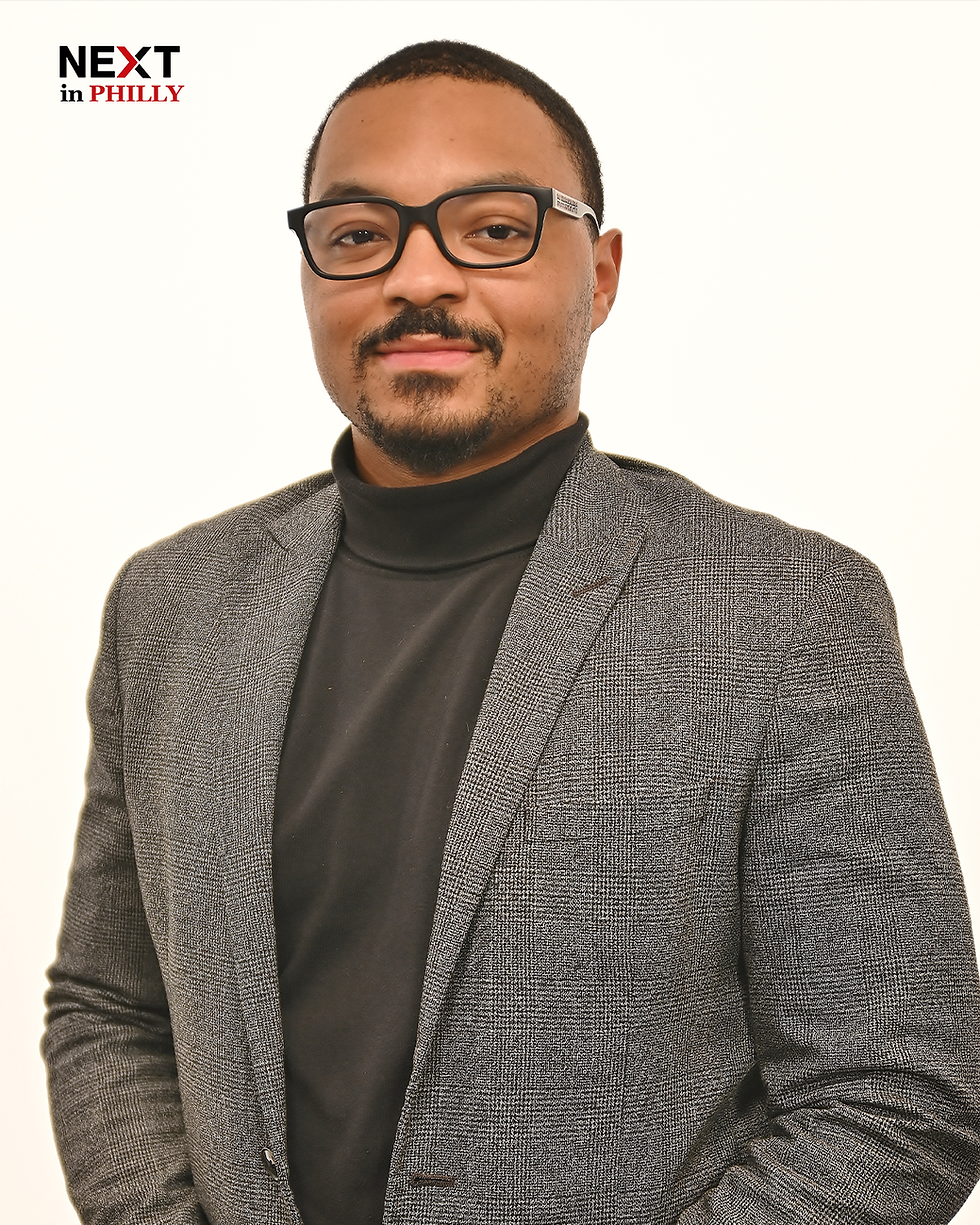
Rishaun Hall’s story begins in West Philadelphia—but not just as a place. As a foundation.
A third-generation Philadelphian, Hall traces his roots through generations shaped by migration, resilience, and community. He grew up in what many know as University City—but what he calls the “Black Bottom,” a neighborhood layered with history, identity, and change.
“I see Philadelphia as a city of neighborhoods,” he says. “You can turn left or right and have a completely different experience.”
That understanding of place—of people, systems, and opportunity—would go on to shape everything he does.
Hall didn’t always know what path he would take. Like many young people, he struggled to find direction early on. School didn’t come naturally, and there wasn’t a clear roadmap ahead. But everything changed in eighth grade when he made a decision that would define his trajectory.
He joined a brand-new school that didn’t yet have a building, teachers, or even a curriculum—just a promise that students would help shape it. That school was Cristo Rey Philadelphia High School, and it introduced him to something he hadn’t experienced before: real-world exposure.
At just 14 years old, Hall landed an internship in the Mayor’s Office under then-Mayor Michael Nutter.

Being in that environment changed how he saw the world.
Watching leadership up close—how decisions were made, how people were engaged, how responsibility was carried—he realized he wanted to be part of that ecosystem.
“I didn’t know exactly what it was,” he says. “But I knew I wanted to be part of that world.”
That early exposure opened doors—and forced him to grow into them quickly.
From sitting in high-level meetings to participating in national civic spaces, Hall found himself in rooms where decisions were being made, often as the youngest person present. One moment stands out: being part of a call that included then-President Barack Obama. When it came time to introduce himself, he hesitated—unsure if he even belonged.
But he spoke up.
That moment wasn’t just surreal. It was clarifying. It showed him how rare access like that was—and how important it was to make the most of it.
It also shaped how he thinks about opportunity today.
Hall now serves as President of Young Involved Philadelphia (YIP), a nonprofit focused on civic engagement, leadership development, and board service. With over 6,000 members, the organization helps young professionals understand how to step into leadership roles—particularly in spaces where representation is still lacking.
“There are so many people who want to be involved,” he says. “They just don’t always know where to start.”
Through board training, civic education, and mentorship, YIP often becomes that starting point—helping people navigate systems that can otherwise feel inaccessible.
In a city as diverse as Philadelphia, Hall is focused on closing the gap between who lives here and who leads. Representation across corporate boards, executive leadership, and policy spaces still doesn’t reflect the city’s demographics. But for him, the work is not just about outcomes—it’s about building pathways earlier.
Because once someone disengages, it becomes much harder to bring them back.
“Once someone checks out, it’s hard to bring them back,” he explains.
That belief drives his focus on early exposure—whether through education, workforce development, or mentorship—creating opportunities before people begin to doubt their place in those spaces.
In his role at The Pew Charitable Trusts, Hall operates at the intersection of research, policy, and city systems. But what sets him apart is his ability to stay grounded in community.
“I try to visualize what these policies actually mean for real neighborhoods,” he says.
That perspective allows him to bridge two worlds—policy and lived experience—ensuring that decisions are not just informed by data, but by reality.
For Hall, success is not defined by titles or positions. It’s defined by impact.
“If I can leave Philadelphia a little better than I found it, then I’ve done my job.”
And through his work, that’s exactly what he’s doing—opening doors, creating access, and helping the next generation step into spaces that once felt out of reach.